The Evidence Beyond the Image: Proving Cognitive Injury After a Normal CT or MRI
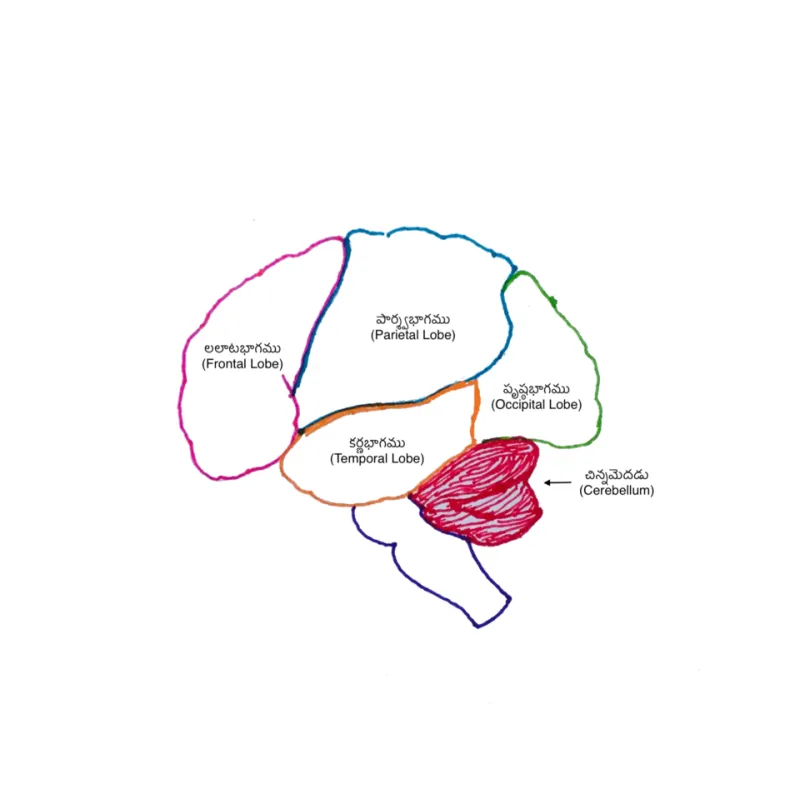
Photo: డా. గన్నవరపు నరసింహమూర్తి, CC0, via Wikimedia Commons
When the report says there is nothing to see
A head injury is frightening precisely because its effects can be hard to see. When a hospital CT scan comes back clear, or a later MRI shows no structural abnormality, families often assume that the medical evidence has reached its end. Insurers may encourage the same conclusion: if the imaging is normal, what is the injury?
That reasoning is understandable, but it is not medically complete. Imaging is good at identifying bleeding, fractures, swelling and other structural damage that requires urgent treatment. It cannot reliably show every change in brain function. A person can have a normal scan and still experience persistent headaches, fatigue, poor concentration, memory difficulties, sensitivity to noise or light, and changes in mood or sleep. Those symptoms may be described under labels such as concussion, mild traumatic brain injury or post-concussion symptoms. The label does not make the experience less real, and it does not answer the question of how much the injury affects daily life.
For a serious injury claim, the central issue is rarely whether a scan looks dramatic. It is whether the claimant can show, on the balance of probabilities, that the injury occurred, that symptoms persist, and that those symptoms have consequences at work, at home and in relationships.
Why a clear scan is not the end of the medical question
A CT scan in an emergency department is usually performed to rule out a bleed or a skull fracture. It is not designed to detect microscopic damage, diffuse injury or subtle disruption to the brain's communication pathways. MRI is more detailed, but even advanced sequences may not explain every cognitive complaint. The brain is not a single organ with a single switch; injury can affect attention, processing speed, memory and emotional regulation in ways that are not visible on a standard image.
The timing of imaging matters too. A scan performed shortly after the event may look different from one performed months later, and a report written for acute care may not address long-term function. A radiologist reporting 'no acute abnormality' is making a narrow clinical statement. It is not a finding that the person has no injury, no symptoms or no claim.
What evidence can show when imaging cannot
In a claim, medical evidence is built from several sources rather than a single test. Neuropsychological assessment is often important. A clinical neuropsychologist can use standardised tests to examine attention, memory, processing speed, executive function and mood. The assessment is not a lie detector, and it should be interpreted by a qualified clinician. Its value lies in showing a pattern of strengths and difficulties, compared with what would be expected for the person's age, education and pre-injury functioning.
Collateral evidence is equally important. A clear scan carries little meaning without context. Accounts from family members, friends and colleagues can describe changes that the claimant may not notice or may understate: a previously organised person now missing appointments, a confident driver now avoiding busy roads, a patient person becoming quickly irritable, a reliable employee needing longer to complete familiar tasks. These accounts are most useful when they are specific and contemporaneous.
Occupational evidence can also assist. Employer records, sickness absence, changes in duties, reduced hours, workplace adjustments and performance reviews may show a trajectory that began after the injury. School or university records can serve a similar purpose for younger claimants. GP records, referrals, medication, therapy attendance and symptom reviews provide a clinical timeline. Day-to-day functioning records fill the gap between appointments: sleep, headaches, concentration, household tasks, social contact and reliance on others.
Practical steps in the weeks after injury
Families are often exhausted in the early weeks, and asking them to keep records can feel like one more burden. The aim is not to create a perfect file. It is to avoid losing details that will matter later.
Keep a simple symptom and function diary
A short daily or weekly note is enough. Record what symptoms occurred, how long they lasted, what made them worse and what the person could not do. Note changes in sleep, mood, appetite and tolerance for noise, light or screens. Avoid writing only on bad days; a record that shows better days as well as worse ones is more credible, not less.
Preserve independent accounts
Ask family members or friends to write down what they noticed and when. They should describe examples rather than conclusions. 'She forgot two school pick-ups in October and asked me to remind her about appointments' is more useful than 'she has memory problems'. Keep the accounts dated and in the writer's own words.
Gather occupational and educational records
Employers, schools and universities hold records that can be requested later, but early requests are easier to fulfil. Keep copies of fit notes, adjusted duties, absence records and any occupational health correspondence. If the person is self-employed, invoices, job diaries and client communications may help show reduced capacity or lost work.
Ask the GP to record the full picture
Appointments can be short. It helps to prepare a brief written summary of symptoms and their effect on daily life. Ask for symptoms to be recorded, not just the injury label. If cognitive difficulties are prominent, ask whether a referral to a neuropsychologist, neurologist or community brain injury service is appropriate. Waiting lists can be long, so early discussion is sensible.
Be consistent and avoid exaggeration
Insurers scrutinise inconsistency. A claimant who describes severe memory loss but is seen managing complex paperwork may face questions, even if the explanation is simply that some days are better than others. Honest fluctuation is normal after brain injury. The record should reflect it. There is no need to present every day as the worst day.
Building a case that insurers can understand
Medical evidence in a serious injury claim is not a contest between a scan and a symptom. It is an attempt to construct a reliable picture from imaging, clinical records, expert assessment, witness accounts and functional evidence. A normal CT or MRI report is part of that picture. It is not a complete one.
The most persuasive cases are usually those where the evidence is consistent, specific and supported by more than one source. That work begins early, but it can still be done later with care. The task is to show what the scanner cannot: how the injury has changed the person's capacity to work, to care for others, to manage a household and to live the life they had before.