Serious Injury Specialists Clear answers when life changes in a moment

Serious Injury Specialists

Clear answers when life changes in a moment

Latest Articles

Hours That Were Never Billed: How Family Care Is Valued in a Serious Injury Claim
Family Support

Hours That Were Never Billed: How Family Care Is Valued in a Serious Injury Claim

When a relative becomes a carer after a serious injury, the hours can feel invisible. This article explains how gratuitous care is assessed, what evidence makes a care diary credible, and how families can formalise care within a claim without straining relationships or risking double recovery.


The Evidence Beyond the Image: Proving Cognitive Injury After a Normal CT or MRI
Medical Evidence

The Evidence Beyond the Image: Proving Cognitive Injury After a Normal CT or MRI

A clear CT or MRI report can feel like the end of a brain injury claim. In practice, it is often only one part of the medical picture. This article explains how cognitive and functional evidence is gathered when imaging does not show structural damage, and what families can do early to keep a credible record.

The Ledger Behind the Injury: Proving Earnings When You Are Your Own Employer
Claims Process

The Ledger Behind the Injury: Proving Earnings When You Are Your Own Employer

A serious injury can interrupt a self-employed person’s income just as sharply as an employee’s, but the evidence looks very different. This guide explains how sole traders, freelancers and business owners can build a credible claim for lost earnings, future income and business disruption without the usual payslips or HR records.

A Claim in Another’s Name: What Happens to a Serious Injury File After the Claimant Dies
Family Support

A Claim in Another’s Name: What Happens to a Serious Injury File After the Claimant Dies

The death of the injured person does not automatically bring every legal process connected with a serious injury to an end. This guide explains the difference between a claim continued for the estate and a claim brought by dependants, and the practical records families should gather while they seek advice.

Wheels, Badges and Paperwork: Mobility Support While a Serious Injury Claim Is Still Moving
Family Support

Wheels, Badges and Paperwork: Mobility Support While a Serious Injury Claim Is Still Moving

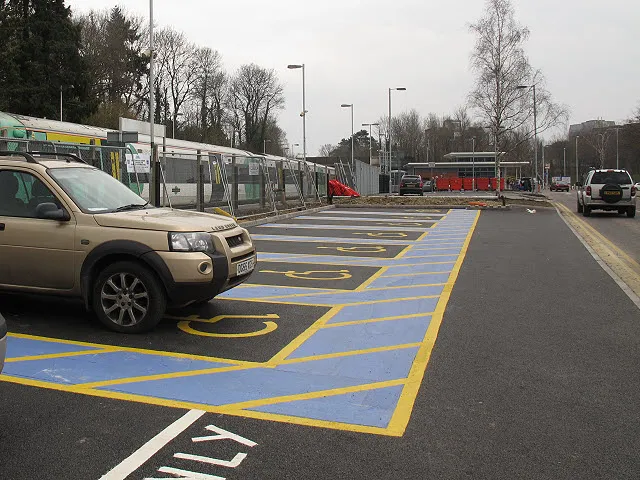
A serious injury can make ordinary journeys feel impossible long before a claim is settled. This guide explains how Blue Badges, the Motability Scheme and vehicle adaptations work in the UK, what evidence is usually needed, and how to keep mobility decisions aligned with an ongoing claim.

When the Other Side Has No Insurer: Charting a Serious Injury Claim Through the MIB
Claims Process

When the Other Side Has No Insurer: Charting a Serious Injury Claim Through the MIB

A serious road injury claim usually begins with an insurer on the other side. When the driver is uninsured, untraced or leaves the scene, the Motor Insurers' Bureau may take that place under government-approved agreements—but the route has its own paperwork, deadlines and delays. This guide explains the practical steps families should take in the first weeks.

A Fresh Set of Eyes: When a Second Medical Opinion Can Strengthen a Serious Injury Claim
Medical Evidence

A Fresh Set of Eyes: When a Second Medical Opinion Can Strengthen a Serious Injury Claim

A second medical opinion is not an accusation against the first expert. It is a structured way to test whether the medical picture is complete, consistent and strong enough to support a serious injury claim. This guide explains how conflicting reports are managed, what it can mean for costs and timetables, and the questions clients should ask before raising concerns.

An Order Made to Be Revisited: Provisional Damages and Unsettled Medical Outcomes
Claims Process

An Order Made to Be Revisited: Provisional Damages and Unsettled Medical Outcomes

Most serious injury claims end with a final settlement that cannot be reopened. Provisional damages offer a narrow alternative where doctors can identify a specific risk of serious deterioration or future surgery. This article explains how the order works, when courts are willing to make one, and the practical questions to settle before choosing it.

When an Insurer Is Watching: Surveillance, Social Media and Serious Injury Claims
Claims Process

When an Insurer Is Watching: Surveillance, Social Media and Serious Injury Claims

Surveillance evidence can feel intrusive, but it is usually gathered to test consistency rather than to trap an honest claimant. This article explains how insurers use footage and social media, where legitimate evidence ends and pressure begins, and how to maintain sensible boundaries during recovery.

The Return-to-Work Question: Keeping Options Open While Recovery Is Still Underway
Claims Process

The Return-to-Work Question: Keeping Options Open While Recovery Is Still Underway

A serious injury can make the return-to-work question feel like a test that must be passed quickly. This guide sets out a calmer approach: phased returns, reasonable adjustments, Access to Work support, and the claim and benefits issues that are worth checking before a decision is made.

The Quiet Costs of Recovery: Keeping a Credible Record of Out-of-Pocket Spending After Serious Injury
Claims Process

The Quiet Costs of Recovery: Keeping a Credible Record of Out-of-Pocket Spending After Serious Injury

After a serious injury, families often absorb small expenses without thinking of them as evidence. This guide explains how to record travel, home adjustments, paid help, equipment and childcare in a simple, proportionate way that can support a claim months or years later.

When the Injury Happens Abroad: Jurisdiction, Insurance and the First Calls That Matter
Claims Process

When the Injury Happens Abroad: Jurisdiction, Insurance and the First Calls That Matter

A serious injury overseas raises urgent practical questions before any legal ones: who to call, what to preserve and which country’s rules may apply. This guide explains how travel insurance, package-holiday protections and local law can interact, and how UK families can keep a claim on track while arranging a safe return home.

Payments That Keep Pace: Choosing Between a Lump Sum and an Annual Income After Serious Injury
Claim Funding

Payments That Keep Pace: Choosing Between a Lump Sum and an Annual Income After Serious Injury

A serious injury settlement can arrive as a single sum or as a series of annual payments that rise with inflation. This article explains how periodical payment orders work, where a lump sum still earns its place, and the questions worth putting to a solicitor and an independent financial adviser before a decision that will shape the next forty years.

A Claim Held in Trust: Serious Injury, Childhood, and the Handover at Eighteen
Family Support

A Claim Held in Trust: Serious Injury, Childhood, and the Handover at Eighteen

When a serious injury happens to a child, the legal claim moves at a different pace — one measured in school terms and birthdays rather than months. This guide explains the litigation friend’s role, why settlements need court approval, and how families can prepare for the practical questions that arrive at eighteen.

The Right Room to Recover In: Housing and Adaptation Decisions After Serious Injury
Family Support

The Right Room to Recover In: Housing and Adaptation Decisions After Serious Injury

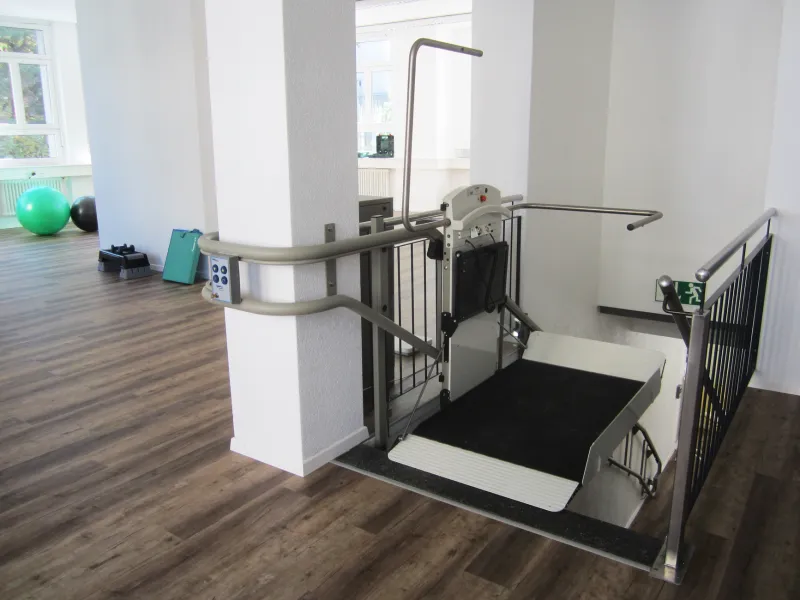
A serious injury can make the family home feel like a series of barriers. This guide explains how to assess housing needs, use occupational therapy and Disabled Facilities Grants, and approach property or adaptation costs within a settlement without tying up compensation in the wrong walls.

Who Holds the Care Plan Together? The Role of a Case Manager After Serious Injury
Family Support

Who Holds the Care Plan Together? The Role of a Case Manager After Serious Injury

After a serious injury, families often meet a case manager without fully understanding what the role involves or how it is funded. This article explains the practical work of coordination, the funding routes that may be available, and the questions worth asking before appointing someone.

Time Limits After Serious Injury: Protecting a Claim When the Picture Is Still Unclear
Claims Process

Time Limits After Serious Injury: Protecting a Claim When the Picture Is Still Unclear

Limitation periods are one of the most important practical rules in any serious injury claim, yet they are often misunderstood. This plain-English guide explains the usual three-year period, the date-of-knowledge principle, and the exceptions that can apply to children and protected parties.

Beyond the Slogan: Ten Cost Questions to Put to a Serious Injury Solicitor Before Instructing Them
Claim Funding

Beyond the Slogan: Ten Cost Questions to Put to a Serious Injury Solicitor Before Instructing Them

No win, no fee describes a mechanism, not a price. This checklist sets out ten practical questions about success fees, disbursements and insurance that can help injured people compare firms and understand what they are signing before they commit.

Recovery Before Resolution: How the Rehabilitation Code Can Start Treatment While Fault Is Still in Dispute
Medical Evidence

Recovery Before Resolution: How the Rehabilitation Code Can Start Treatment While Fault Is Still in Dispute

The Rehabilitation Code allows treatment, equipment and support to begin long before liability is settled. This article explains how the protocol works in practice across England and Wales, how to request an assessment, and what injured people and their families should realistically expect from it.

Reading the First Number: A Calm Approach to Early Settlement Offers
Claim Funding

Reading the First Number: A Calm Approach to Early Settlement Offers

An early settlement offer in a serious injury claim can feel decisive, but it is usually a negotiating step rather than a final verdict. This guide explains how to assess an offer against future care, lost earnings and long-term needs, and what to ask before deciding.