When an Insurer Is Watching: Surveillance, Social Media and Serious Injury Claims
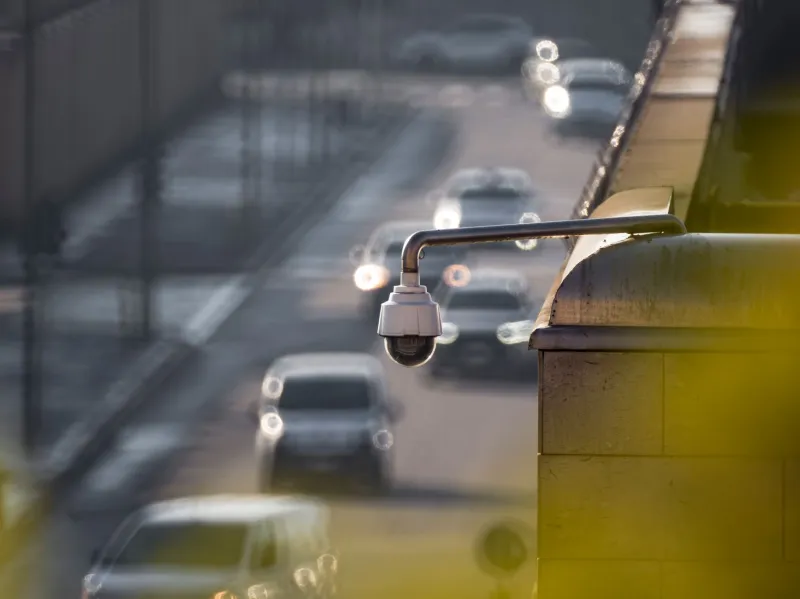
A serious injury claim is built on a detailed picture of how someone's life has changed. Insurers are entitled to test that picture. In some cases, they do so by commissioning surveillance, reviewing publicly available social media material or asking for disclosure of activity records. For the person recovering from injury, the idea of being watched can feel unsettling. It can also provoke understandable anger. A calm understanding of what surveillance is for, and what it is not for, helps claimants respond sensibly rather than reactively.
Why insurers commission surveillance
Surveillance in a personal injury claim is generally used to check whether the evidence of injury and restriction is consistent with the claimant's observed activity. It is not, in itself, an accusation of dishonesty. Insurers often justify it as a routine verification step in higher-value claims, particularly where the claimed effects of injury are difficult to measure objectively, such as chronic pain, fatigue or restricted mobility.
The key question is usually not whether a claimant can ever leave the house, drive or carry a bag. Most people with serious injuries can do some everyday things on some days. The question is whether what is recorded is consistent with the account given in medical assessments, witness statements and claim documents. A short clip of someone walking to a shop does not necessarily undermine a claim that they cannot walk far or without pain. Context matters: duration, frequency, assistance, recovery time afterwards and whether the activity was advised or risky all form part of the picture.
Surveillance is not a free pass for insurers to do as they please. Under UK data protection law, including the UK GDPR and the Data Protection Act 2018, covert surveillance must be justified and proportionate. It should not amount to harassment, intimidation or an unreasonable intrusion into private life. Footage taken in a public place is generally treated differently from footage taken into a home or private garden. If surveillance crosses a line, that is a matter for the claimant's solicitor to address.
Footage is only one piece of evidence
Video can be persuasive, but it is rarely decisive on its own. A claimant's medical experts may explain why a person can perform an activity once but suffer significantly afterwards. A rehabilitation specialist may confirm that gentle exercise was encouraged. An occupational therapist may note that a particular task was done with aids or in a controlled environment. The insurer's interpretation of a clip may also be challenged if it is selective, edited or lacks proper context.
Claimants should therefore avoid treating surveillance as a verdict. It is evidence to be considered alongside medical records, care records, witness evidence and the claimant's own account. A solicitor can obtain disclosure of surveillance material if it is going to be relied upon and can test how it was obtained and what it actually shows.
Social media: public does not always mean private
Insurers and their investigators may review social media posts, photographs and comments that are publicly accessible. Privacy settings are important, but they are not a guarantee. A post shared with friends can travel. A photograph tagged by someone else may be visible. A comment in a local group may be screenshotted. Claimants should assume that material connected to them could eventually be seen by the other side.
This does not mean deleting accounts or refusing to use the internet. Deleting evidence after a claim has begun can create far more serious problems than an unwise post. The better approach is to pause before posting anything that could be misunderstood, and to avoid posting about the claim itself. Claims should be discussed with the solicitor, not debated online.
Photographs and videos of holidays, exercise, DIY or social events are not automatically damaging. They may, however, invite questions if they appear inconsistent with the medical account. A photograph of a one-off family celebration is different from a sustained pattern of activity that contradicts the claimant's description of daily life. Honesty is the guiding principle. Claimants should not present a false picture of their abilities, and they should not feel obliged to present a falsely limited one either.
Legitimate verification and pressure tactics
There is a difference between legitimate evidence gathering and pressure. Legitimate surveillance tends to be targeted, time-limited and directed at verifying specific inconsistencies. It should be conducted in a manner that respects privacy and does not interfere with rehabilitation or family life. A claimant may never know it happened unless the material is disclosed.
Pressure tactics can look different. They may involve repeated approaches to neighbours or family members, intrusive questioning, filming that focuses on private areas, or the use of footage in a way designed to humiliate rather than test a claim. If a claimant suspects that surveillance is being used to intimidate, they should record what happened, note dates, times and vehicle registrations where safe to do so, and tell their solicitor promptly. They should not confront anyone. Confrontation can escalate matters and may affect the evidence.
Practical boundaries during recovery
A sensible approach is to live honestly and avoid performing for an imagined camera. Claimants should follow medical advice, keep a straightforward diary of symptoms and activity if their solicitor recommends it, and be consistent in what they tell treating clinicians and experts. They should not attempt activities that are unsafe simply to prove a point, nor avoid all activity for fear of being filmed. Recovery should be guided by clinical need, not by the possibility of surveillance.
On social media, it is prudent to review privacy settings, avoid posting about the claim, and ask friends and family not to tag or share photographs without consent. Nothing should be deleted after a claim is underway without legal advice. If a claimant is uncertain about a particular post or photograph, they should raise it with their solicitor before taking action.
If surveillance is suspected, the first step is to tell the solicitor. They can consider whether to seek disclosure, whether any legal objection arises, and whether the insurer's conduct should be raised with the court or the relevant regulator. It is also worth keeping a calm factual note of anything unusual. Speculation is less useful than a clear record.
The bottom line
Surveillance can feel like a challenge to a claimant's honesty. In most cases, it is a verification tool that insurers use to test consistency. Claimants do not need to live in fear of it, but they do need to understand that what they say, post and do may be considered. The safest course is straightforward: give an accurate account, follow medical advice, take advice before deleting anything, and let the solicitor deal with any concerns about intrusive or unfair conduct.