Bridging the Gap: How Interim Payments Can Fund Care and Rehabilitation During a Serious Injury Claim
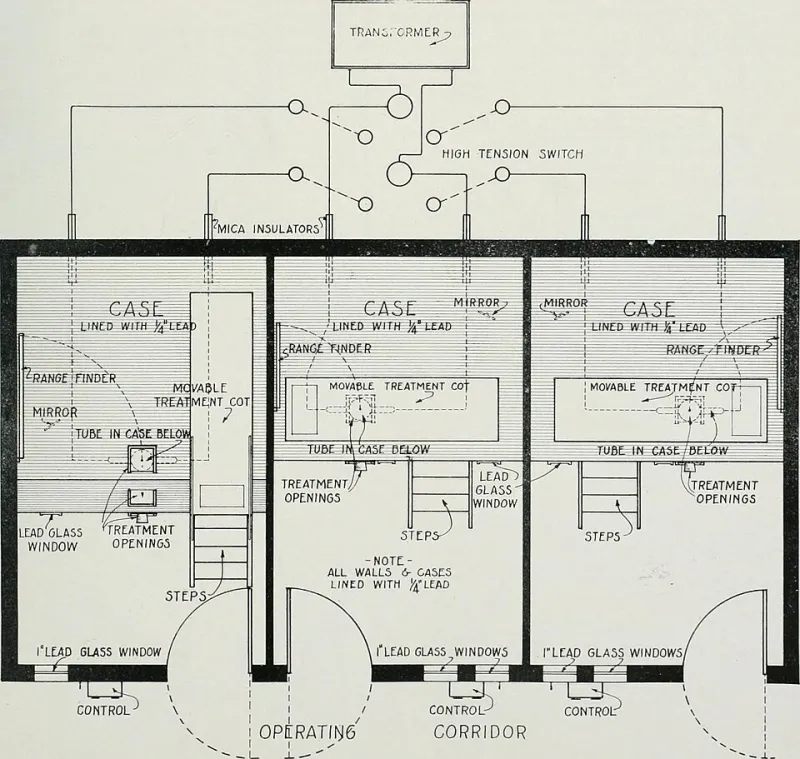
Photo: Internet Archive Book Images, No restrictions, via Wikimedia Commons
A serious injury claim can take a long time to resolve. Liability may be disputed, medical evidence may take months to gather, and the final valuation may depend on how the injured person responds to treatment. Yet rehabilitation, care, equipment and home adaptations often cannot wait for the end of the case. Interim payments exist to bridge that gap. This article explains the mechanism in general terms for a UK audience. It is not legal advice, and the right approach will depend on the facts of each case.
What an interim payment is
An interim payment is a payment on account of damages before the final settlement or judgment. It is not a loan and it is not an extra award. It is usually paid by the defendant or their insurer and is deducted from the final amount. It can be made voluntarily after a request from the claimant’s solicitor, or it can be ordered by a court where the legal conditions are met. In England and Wales, applications are governed by the Civil Procedure Rules, particularly Part 25. Scotland has its own procedural rules and terminology.
Interim payments can be used for rehabilitation, private treatment, case management, care, equipment, home adaptations, vehicle adaptation, accommodation, travel and other immediate needs linked to the injury. They may also address lost income in suitable cases. The purpose is not to provide a windfall, but to prevent the injured person from being disadvantaged by the time a claim takes.
How solicitors apply for an interim payment
The work begins long before an application is made. A solicitor will usually need to establish the liability position, gather medical records and evidence of the injury, and understand what care and rehabilitation is required. They may commission reports from treating clinicians, a consultant, an occupational therapist, a physiotherapist, a case manager or an accommodation expert. They will also build a costed schedule of what is needed and why.
In many cases, the first step is a detailed written request to the defendant’s insurer for a voluntary interim payment. If that is refused or delayed, the court may be asked to decide. The evidence needed will vary, but it commonly includes proof that liability has been admitted or is likely to succeed, medical evidence linking the needs to the injury, quotations or estimates for equipment and adaptations, care records, receipts, witness statements and evidence of financial need. The court must be satisfied that the legal conditions are met and that the amount requested is justified.
What interim payments can cover
Funding can be directed towards private rehabilitation such as physiotherapy, occupational therapy, speech and language therapy, psychological support and case management. It can pay for wheelchairs, hoists, specialist seating, communication aids, vehicle adaptations and temporary accommodation. It can also contribute to care at home, respite for family carers, travel to treatment and practical support with daily living. The key is that the expenditure should be reasonable, evidence-based and connected to the injury.
Records matter. Families should keep invoices, receipts, quotes and notes of what has been purchased or provided. A clear audit trail helps the solicitor explain how money has been used and supports future requests.
Common delays and pressures
Interim payments are not always quick. Liability may still be under investigation, medical evidence may be incomplete, or the insurer may dispute the amount or the need. Court timetables can add time. Where a child or a protected party is involved, additional approval processes may apply. Benefit and trust arrangements can also need careful consideration.
A voluntary payment can sometimes be agreed faster than a court application, particularly where liability is clear and the rehabilitation needs are well documented. Early rehabilitation provisions, including the Rehabilitation Code approach used in many personal injury cases, can help focus both sides on what the injured person needs now. Families should ask what can be done to avoid a funding gap while the claim continues.
Client-care considerations
Interim payments raise important client-care questions. The injured person and family need clear explanations of what is being requested, why, and what it will mean for the final settlement. Informed consent matters, as does involving family members appropriately where the injured person wishes them to be involved. If the injured person lacks capacity, the Court of Protection or a deputy may need to be involved in managing money.
There should be no pressure to settle early simply because immediate costs are pressing. A specialist serious injury solicitor should be transparent about funding options, costs, repayment risk if a claim fails, and the effect any payment may have on means-tested benefits. Independent benefits advice is often sensible. The focus should remain on rehabilitation and dignity, not merely on the speed of a payment.
Questions families should ask about funding in 2026
- Is an interim payment available voluntarily, or would a court application be needed?
- How quickly could a payment be requested and received?
- What evidence is needed to support the application?
- What can the payment cover: rehabilitation, care, equipment, adaptations or income?
- Will the payment be deducted from the final settlement?
- What happens if the claim is unsuccessful and repayment is sought?
- Could the payment affect means-tested benefits or any trust arrangement?
- Who will manage the money if the injured person lacks capacity?
- How will expenditure be recorded and reviewed?
- What can be done now if liability is still being investigated?
A practical mechanism, not a shortcut
Interim payments do not replace a final settlement and they do not resolve every funding problem. They are a practical mechanism for meeting urgent needs while the legal process continues. Early specialist advice, clear medical evidence and careful record-keeping give families the best chance of securing rehabilitation and support without waiting years for the conclusion of a claim.